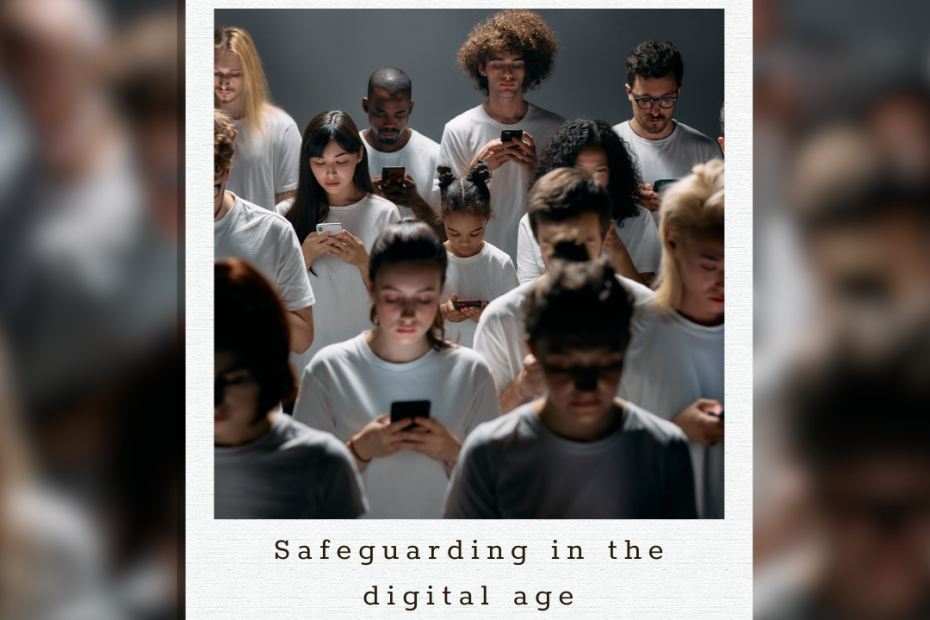
At Kilpatrick Consultancy, we understand that navigating the online world with your child can feel overwhelming. Rebecca’s experience as a former detective in child abuse and accredited trainer in child protection, mental health, and online safety equips parents and professionals with the knowledge and confidence to keep children safe.
Why Online Safety Matters More Than Ever
From cyberbullying and grooming to harmful content and misinformation, online risks are growing. Between 2021 and 2023, online grooming offences rose by 300%, and “sharenting” (parents oversharing details online) continues to expose children to identity theft and predatory behaviour.
But the solution is not fear—it’s open communication, practical strategies, and critical thinking skills.
Five Key Strategies for Parents
1. Open, Ongoing Conversations
Children are more likely to share concerns if conversations are natural and non-judgmental.
Child-friendly prompts you could use:
- “What’s the funniest video you’ve seen this week?”
- “Did anything online make you feel a bit uncomfortable today?”
- “If one of your friends saw something upsetting online, what advice would you give them?”
- “Can you show me a game/app you really like? I’d love to understand it.”
These help children practice reflection while showing you’re interested in their online world.
2. Set Clear Rules & Model Behaviour
- Create a family agreement about device use (screen time, mealtime rules, app permissions).
- Model positive behaviour—if you don’t want your child scrolling at the dinner table, put your phone down too.
3. Security Tools (Used Wisely)
- Use parental controls, safe search, and privacy settings—but remember they’re not foolproof.
- Younger children may benefit from restricted phones that allow only calls and texts.
- Be cautious with third-party monitoring apps—some have security risks.
4. Teach Risk Awareness & Critical Thinking
Children should know how to:
- Block, report, and tell you about harmful content.
- Spot manipulation online, such as “love bombing,” gifts, or pressure to keep secrets.
- Reflect on why they enjoy certain online spaces and whether they feel safe there.
5. Stay Informed About Hidden Symbols
Some online groups, including extremist and incel communities, use emojis or slang as coded language. Parents don’t need to memorise them all—but being aware is useful.
⚠️ Examples of emoji use in incel culture (misappropriated meanings):
- 🍝 “Looksmaxxing” (discussion about altering appearance to fit beauty ideals)
- 🐍 “Snake” (used to insult women or “betrayers”)
- 🤡 Clown (mocking men seen as “normies” or women seen as “superficial”)
- 🥩 Meat (derogatory symbol reducing women to objects)
- 💀 Skull (expressing hopelessness, sometimes linked to suicide references)
👉 Important: these emojis are also used innocently by children. The key is context—if used alongside self-hate, misogyny, or extremist conversations, it may be cause for concern.
Parent tip: Ask your child gently about emoji use:
- “I noticed you used that clown emoji a lot—what does it mean to your friends?”
- “Sometimes emojis can mean different things online—what do your friends usually mean when they send that one?”
Trusted Resources
How Kilpatrick Consultancy Can Help
Rebecca Kilpatrick offers:
- Accredited Online Safety Awareness Courses for parents and educators
- Bespoke training packages for schools, organisations, and families
- Interactive workshops blending psychology and practical strategies
Final Thoughts
Online safety is not about blocking everything—it’s about equipping children to navigate risk with resilience. By combining open dialogue, clear boundaries, awareness of hidden risks, and trusted guidance, parents can create a safer digital environment where children feel supported, not policed.
💬 If you’d like tailored advice or training, get in touch